

Send Message
Privacy statement: Your privacy is very important to Us. Our company promises not to disclose your personal information to any external company with out your explicit permission.

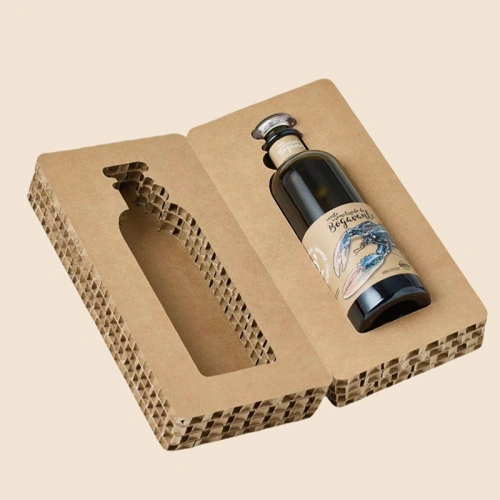
Shock-Absorbing Magic: Protect Every Single Bottle. Designed to cushion bottles against bumps, drops, and everyday impact, this reliable protective solution helps prevent breakage during storage and transport. Each bottle stays securely in place, reducing the risk of damage and ensuring products arrive safely, intact, and ready for use.
When a bottle arrives with a cracked neck, leaking cap, or broken glass, the problem reaches beyond the package. Customers may lose trust, retailers may reject the shipment, and your team may spend time handling replacements.
I see this issue often with glass bottles, ceramic containers, perfume bottles, sauce jars, and other products that face pressure during storage and transport. Shock-proof packaging helps reduce the chance of damage by giving each bottle a stable, cushioned space.
The right design starts with the bottle itself.
A slim glass bottle needs different protection from a wide jar. A heavy container may need stronger support at the base. A bottle with a pump or dropper needs extra space around the closure so that pressure does not transfer directly to the top.
I usually review these details before choosing the packaging structure:
A good package should hold the bottle firmly without making loading difficult. Too much empty space allows movement. Too much pressure can create stress on the bottle or closure.
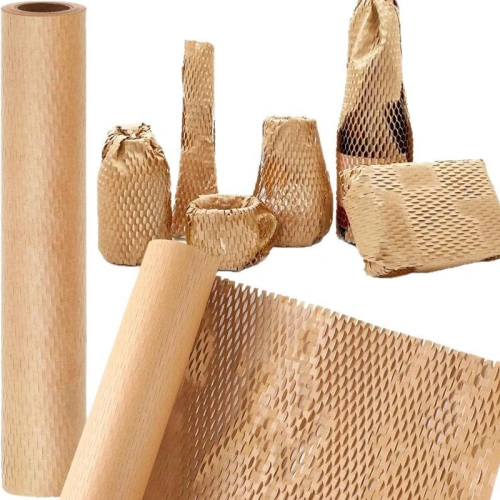
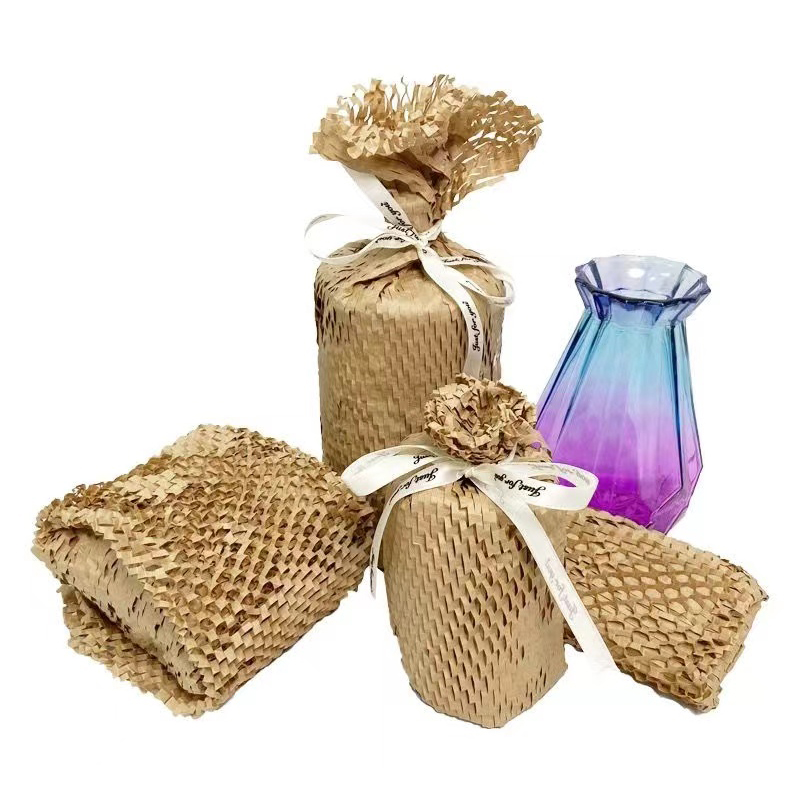
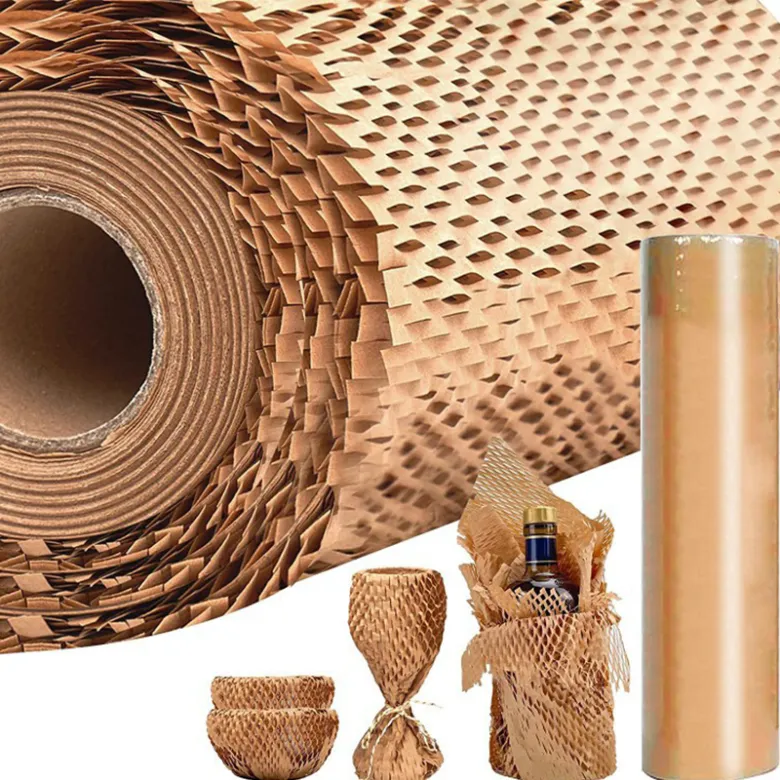
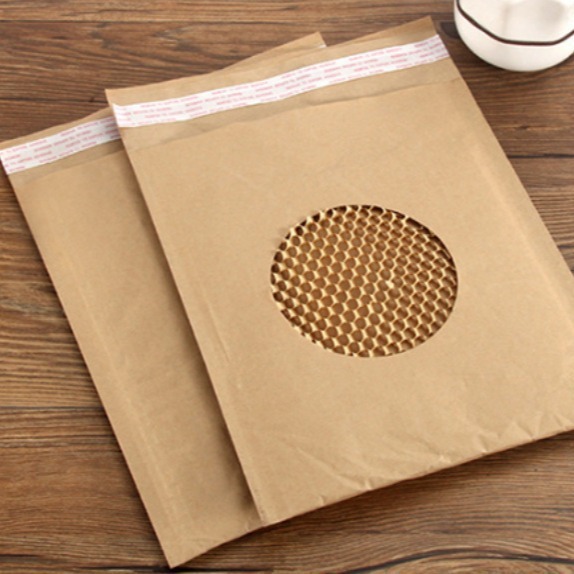
Cushioning material plays a direct role in impact protection. Molded pulp, foam inserts, corrugated dividers, honeycomb paper, and custom cardboard supports can all be used for bottle packaging. The choice depends on the product, budget, packing process, and disposal needs.
For a small skincare brand, a carton with loose paper fill may look acceptable during packing. During parcel handling, the bottle can shift from side to side. The cap may press against the inner wall, while the base receives repeated impact. A fitted insert can hold the bottle in place and create a buffer around the fragile areas.
I recommend checking the package through a simple test process:
Place the bottle inside the planned insert.
Close the carton and check whether the product moves when the box is gently shaken.
Inspect the space around the neck, cap, and base.
Stack several packed cartons to review pressure on the lower boxes.
Send sample packages through a normal delivery route.
Open each package and record cracks, leaks, dents, loose parts, and surface marks.
The test results can guide changes to the insert, carton thickness, closure support, or bottle position. A package that performs well in a warehouse may need more protection when it travels through several delivery centers.
Outer cartons also matter. Strong corrugated board can help the package keep its shape during stacking. Dividers can separate bottles and prevent contact between glass surfaces. Corner supports can reduce pressure around the carton edges.
For shipments with several bottles, I prefer a structure that limits movement across the full carton. Each bottle should have its own space. This makes packing more consistent and helps staff notice missing or poorly placed items before sealing the box.
Presentation still matters. Shock-proof packaging does not need to look bulky. A clean insert, accurate fit, and clear opening method can protect the product while keeping the unboxing experience simple. For retail products, the package should support both safe delivery and shelf presentation.
Material selection also affects daily operations. Foam may provide strong cushioning, while molded pulp can suit brands that prefer fiber-based materials. Paper structures may be easier to recycle in some markets. The best choice depends on local recycling systems and the protection level the bottle requires.
I do not treat “shock-proof” as a promise that a bottle cannot break. No package can remove every transport risk. The practical goal is to reduce movement, absorb common impacts, support weak points, and make handling more consistent.
When I review bottle packaging, I focus on the full journey from filling line to customer. The bottle, insert, carton, label, sealing method, and shipping route all work together. A small change in the inner support can make a clear difference to package stability and product condition.
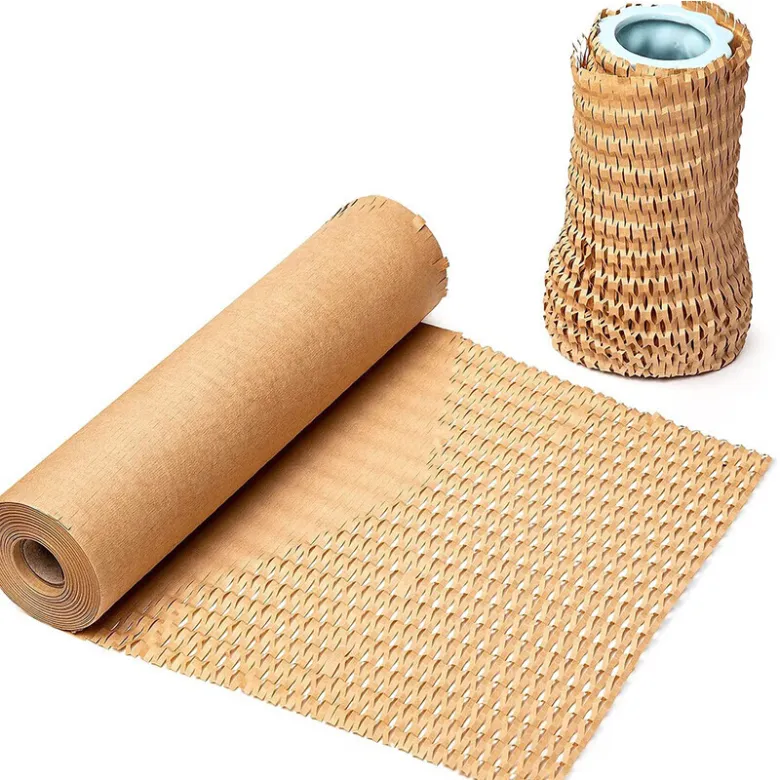
Shipping bottles requires more than a strong outer carton. Glass can crack when packages are dropped, pressed, or moved across several delivery hubs. A small gap inside the box may allow the bottle to shift, hit another item, and arrive with a damaged cap or broken body.
I focus on reducing movement at every stage of packing.
A reliable bottle shipping process usually includes:
The insert matters because loose filler alone may not keep a bottle in place. A molded pulp tray, foam slot, or strong cardboard divider can separate each item and reduce direct contact. The right choice depends on the bottle shape, weight, closure, and shipping route.
I also check the space between the bottle and the carton wall. Too much room lets the bottle move during handling. Too little room can create pressure when the carton is compressed. A balanced fit gives the package room for protective padding without allowing large gaps.
The neck and base need special care. These areas can receive more stress when a carton is dropped or stacked. A support piece around the neck can help keep the bottle upright, while a cushioned base can reduce impact from below.
A simple packing workflow looks like this:
For example, imagine a small beverage brand sending six glass bottles to customers. The team places all six bottles in one large carton with paper filler. During transport, the bottles shift and touch each other. One bottle may arrive with a cracked shoulder even though the outer carton looks acceptable.
The same shipment can use a six-cell divider, base cushioning, and a fitted top pad. Each bottle has its own space, and the top pad helps hold the contents in place. This setup may reduce internal movement and make the package easier to handle. The result still depends on the bottle design, packaging materials, carton strength, and carrier conditions, so testing remains part of the process.
I recommend testing the complete package rather than testing the empty carton alone. Pack the bottles as they will be shipped, then check the carton after drops, stacking, vibration, and changes in handling direction. Look for loose inserts, crushed corners, damaged closures, and movement inside the box.
A good shipping package should also support warehouse work. Staff need to load it without forcing bottles into tight spaces. Labels should remain easy to read, and the carton should close without excessive pressure. When packing instructions are simple, fewer mistakes occur during busy fulfillment periods.
Bottle protection is not based on one material or one carton size. It comes from the fit between the bottle, insert, padding, seal, and delivery method. When I review a fragile shipment, I look at the full journey from the packing table to the customer’s door.
The practical goal is to reduce bottle movement, absorb common handling impacts, and make the packing process repeatable. With the right structure and regular testing, businesses can lower the risk of breakage while giving customers a cleaner delivery experience.
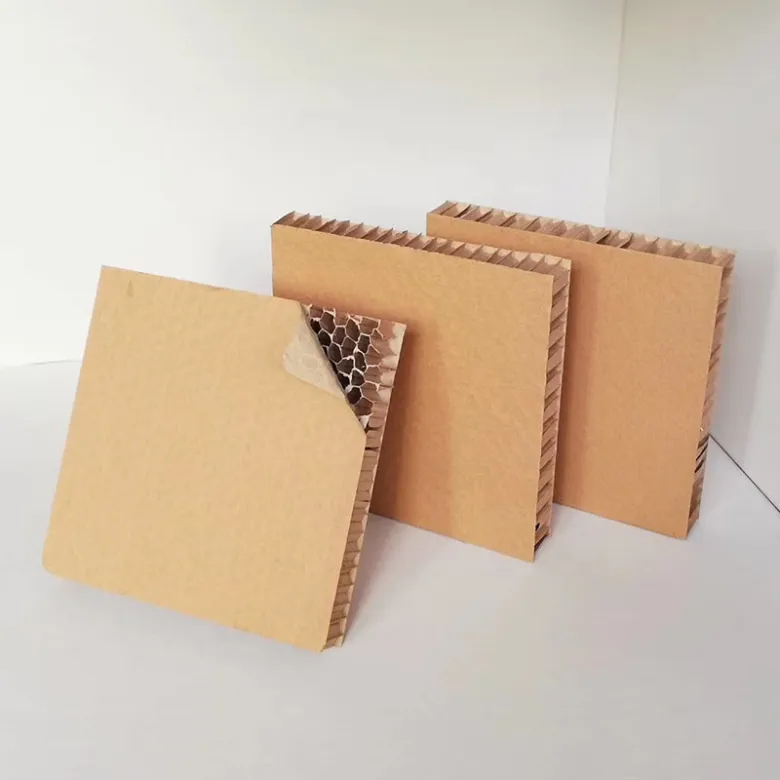
A bottle can look safe when it sits on a shelf. The risk appears when it moves.
A glass bottle may face bumps during delivery, shifting inside a box, or pressure from other items in a bag. One hard impact can lead to a chipped edge, a loose cap, a leak, or a broken container. I have seen this happen with wine, olive oil, sauces, cosmetics, and handmade drinks.
Good bottle protection starts with reducing movement. It does not need to make the package bulky or hard to open. It needs to keep the bottle steady and create a layer between the container and outside impact.
A simple packing process can help:
The base needs stable support because it carries much of the bottle’s weight. The neck needs care because it is narrow and often more exposed. The body needs a soft barrier that can help reduce scratches and contact with nearby items.
For example, an olive oil seller may place six bottles in one shipping carton. Without dividers, the bottles can touch during transport. A sleeve around each bottle, paired with fitted compartments, helps limit direct contact. The seller can also check one packed carton before sending a larger batch. This small test can reveal loose spaces, weak cardboard, or a poor fit.
Bottle protection also matters at home. I use it when storing glass containers in a moving box, carrying drinks to a picnic, or packing handmade products for a local market. A protective layer makes handling easier because I do not need to hold every bottle as if it might slip.
The best option depends on the bottle and the situation:
Avoid relying on one layer alone. A sleeve cannot replace a firm box, and extra filler cannot correct a carton that allows too much movement. Each part should support the others.
I also check the closure before packing. A cap that is not fully tightened may leak even when the bottle stays unbroken. For liquids, a sealed inner bag can provide another layer of protection against spills.
Bottle packaging should protect the product while keeping the packing process practical. When the bottle fits well, the box stays balanced, and empty spaces are controlled, the package is easier to carry and inspect.
A safer shipment begins before the box is closed. Measure the bottle, select a suitable protective layer, secure the space around it, and test the packed carton. This approach helps keep each bottle steady from storage to delivery.
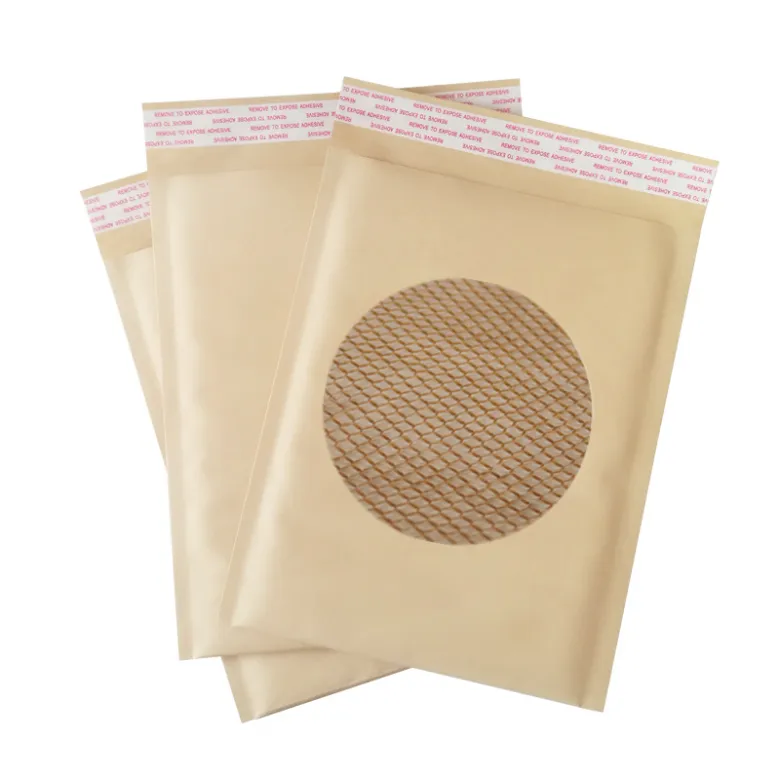
A drop can happen during packing, loading, delivery, or the moment a customer opens the box. One hard impact may leave a product with dents, cracks, scratches, or loose parts.
I use protective packaging to create more space between the item and the outside world. The cushion helps absorb part of the force, while a close fit helps reduce movement inside the box.
The right protection starts with the product itself.
A ceramic mug needs support around its handle and sides. A glass bottle needs room around the base, neck, and body. A small electronic device may need a soft layer to help reduce surface marks and a firm outer box to limit pressure.
A simple packing process can make a clear difference:
I do not treat extra material as a complete solution. Too little padding may leave gaps. Too much padding can make the package harder to close and may raise material use. The better approach is a balanced fit that supports the product without adding needless layers.
Picture a small shop sending handmade cups to customers. If the cup sits loosely in a large carton, it can move from side to side during transport. A fitted insert or soft cushioning layer can hold it in place and protect the handle from direct contact with the box wall. The exact material depends on the cup, package size, shipping method, and handling conditions.
Protective packaging also shapes the customer’s first experience. A box that arrives clean and secure feels more considered. The customer spends less time dealing with damage, loose pieces, or scattered packing material.
For product teams, the process is practical:
Every product has a different protection need. A lightweight item may require surface protection, while a heavier item may need stronger support around its base. A package moving through several delivery points may need a different setup from one handed directly to a local customer.
Built to cushion every drop means creating a protective layer between the product and the impact. It means reducing movement, supporting fragile areas, and choosing packaging based on how the item will travel.
When the cushion fits the product, packing becomes easier to manage and the package is better prepared for the journey.
Broken bottles create more than product loss. They can delay an order, lead to refunds, damage customer trust, and leave your team handling leaks or sharp glass. I know the concern well: a bottle may look secure inside the warehouse, then face vibration, pressure, drops, and temperature changes during transport.
Safe delivery starts with a clear packing process.
A wine bottle, glass jar, perfume bottle, and ceramic container do not need the same protection. Check these details before selecting a box:
A heavy glass bottle needs stronger support than a light plastic container. A bottle with a narrow neck needs protection around the neck and cap, since this area can be more exposed to impact.
I prefer packaging that holds each bottle in a fixed position. When bottles move inside the box, even a small gap can turn into a crack after repeated shaking.
Bottles should not touch each other during delivery. Use dividers, molded inserts, or individual sleeves to create space between them.
The packaging should protect:
A simple cardboard divider may work for lighter products. Heavier glass bottles often need a molded insert or stronger internal structure. The right choice depends on the bottle design and shipping route.
If the bottle can slide, rotate, or strike another bottle, the package needs more support.
A strong outer carton cannot protect a product that moves freely inside it. Fill open spaces with suitable cushioning, such as paper padding, foam, or air-based materials made for shipping.
Avoid placing loose materials around the bottle without checking the fit. Filler may shift during transport and leave the bottle exposed.
I use a basic movement check before sealing a package:
The package should feel stable, not packed so tightly that pressure is placed on the glass.
A broken bottle is not the only concern. A loose cap, weak seal, or damaged cork can cause leakage even when the glass stays intact.
Check the closure before packing. A secondary seal, shrink band, or leak-resistant inner bag can add another layer of protection when the product allows it.
For liquids, place the bottle in a sealed bag or leak-resistant liner. This will not prevent every type of damage, but it can reduce the spread of liquid if a closure fails.
The liner should not replace proper bottle protection. It is a backup layer, not the main packing method.
Use a carton made for the weight and size of the shipment. A box that bends easily may collapse under pressure from other parcels.
Look at:
Do not leave large empty sections inside the box. Do not force too many bottles into a carton either. Both conditions can increase damage risk.
For a small shipment, a double-wall carton may provide useful support. The correct carton should be tested with the actual bottle, insert, and packing materials rather than chosen by appearance alone.
Use strong packing tape across the main opening and along weak seams. Press the tape firmly onto the carton surface.
A simple sealing pattern can include:
Labels such as “Fragile” can help communicate the contents, but a label does not replace internal protection. The package still needs to survive ordinary handling if the label is missed.
A packing method may look good on a worktable and perform poorly during transport. Test a small number of packed shipments before using the same method for a larger order.
Record:
A local delivery test can reveal loose inserts and weak seals. A longer route may expose problems linked to vibration and repeated handling.
For example, imagine a small olive oil seller shipping six glass bottles in one carton. The bottles are wrapped, but they touch each other near the shoulders. After several hours of movement, one bottle develops a crack. A divider that separates the shoulders, combined with tighter support around the base, could reduce this type of contact.
The lesson is simple: wrapping alone may not control movement.
A written packing guide helps each worker follow the same steps. The guide can show:
Photos can help when several bottle sizes use different inserts. A quick checklist can also reduce missed steps during busy periods.
I suggest reviewing damaged shipments by looking for patterns. If most problems occur around the neck, improve neck support. If cartons arrive wet, inspect the closure and inner liner. If bottles break at the base, review bottom cushioning and carton strength.
Customers need to know how their bottles are packed and what to do if a parcel arrives damaged. A short insert can explain:
Clear instructions can reduce confusion and help your team assess a claim. Keep the wording direct and avoid making promises that the packaging process cannot support.
A reliable bottle delivery system combines the right materials, controlled movement, closure protection, careful sealing, and regular checks. I would not judge a package by its appearance alone. I would test how well it keeps the bottle still, shields weak points, and handles the route from warehouse to customer.
When the packing method matches the product, every shipment has a better chance of arriving clean, sealed, and ready to use.
Contact us on Carolyne.zhao: carolyne.gwguanli@hotmail.com/WhatsApp +8613728165816.
International Safe Transit Association — 2023 — Packaging Design and Performance Testing for Transport
Malcolm A Lewis — 2022 — Protecting Fragile Products Through Cushioning and Load Control
Packaging Institute International — 2021 — Glass Bottle Packaging and Distribution Practices
Marianne R Keller — 2020 — Sustainable Materials for Protective Product Packaging
Robert J Hernandez — 2019 — Preventing Breakage and Leakage in Bottle Shipping Systems
European Packaging Council — 2018 — Carton Strength Internal Dividers and Packaging Stability
Transform your logistics with sustainable
No More Cracks: The Smart Choice for Glass Makers. Advanced glassmaking technology helps manufacturers prevent cracks before they occur, minimize material waste, and streamline production. By impro
Boost customer trust with premium
Can paper really outperform plastic in safety? Yes—when it is thoughtfully designed and used for the right applications. Paper offers a renewable, recyclable alternative that may reduce concerns
Email to this supplier
September 22, 2026
September 21, 2026
Contact

PRODUCT CATEGORIES
FOLLOW US
Privacy statement: Your privacy is very important to Us. Our company promises not to disclose your personal information to any external company with out your explicit permission.
Fill in more information so that we can get in touch with you faster
Privacy statement: Your privacy is very important to Us. Our company promises not to disclose your personal information to any external company with out your explicit permission.