


Send Message
Privacy statement: Your privacy is very important to Us. Our company promises not to disclose your personal information to any external company with out your explicit permission.

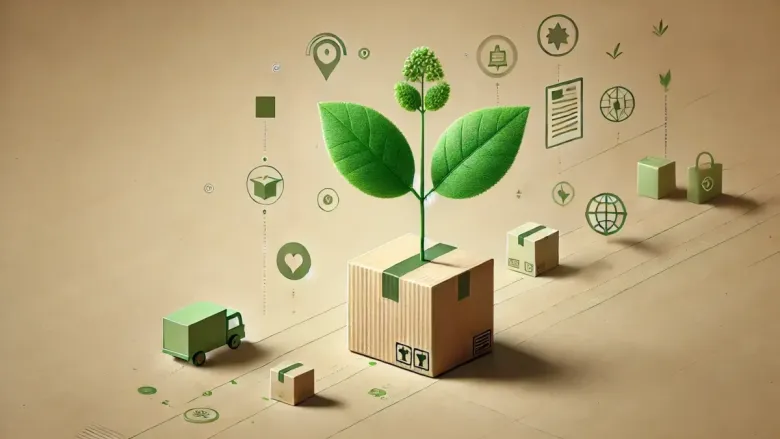
A significant 92% of shoppers are moving away from brands that utilize plastic packaging, raising the question of whether your brand will follow suit. Embracing Eco-Friendly Packaging could be crucial for attracting and retaining customers who prioritize sustainability. As consumers become increasingly aware of environmental issues, the demand for sustainable alternatives is growing. Brands that fail to adapt may find themselves losing market share to competitors who prioritize eco-friendly practices. Therefore, it’s essential to consider the long-term benefits of switching to Sustainable Packaging solutions. Not only can this decision enhance your brand’s image, but it can also foster customer loyalty and attract a new demographic of environmentally conscious consumers. Are you ready to make the change and ensure your brand remains relevant in a rapidly evolving marketplace? The choice is yours, but the clock is ticking.

In recent years, the conversation around plastic use has intensified. Many shoppers are becoming increasingly aware of the environmental impact of plastic waste. I find myself reflecting on my own shopping habits and the choices I make at the store. The statistics are striking: 92% of shoppers are saying "no thanks" to plastic. This shift is not just a trend; it's a movement towards sustainability.
As I navigate my grocery trips, I often feel the pressure of making responsible choices. I know I'm not alone in this. Many of us are looking for alternatives to single-use plastics, whether it's bags, bottles, or packaging. The pain point here is clear: we want to reduce our plastic footprint but often feel overwhelmed by the options available.
So, how can we tackle this challenge? Here are a few steps I’ve found helpful:
Bring Your Own Bags: I started carrying reusable bags everywhere. Not only does it cut down on plastic use, but it also feels good to make a small change that can lead to a bigger impact.
Choose Bulk Items: Shopping in bulk has become a game-changer for me. It reduces packaging waste and often saves money. I look for stores that offer bulk bins for grains, nuts, and snacks.
Opt for Glass or Metal: When possible, I choose products packaged in glass or metal instead of plastic. These materials are more sustainable and often recyclable.
Support Brands with Eco-Friendly Practices: I make an effort to buy from companies that prioritize sustainability. Many brands are now offering plastic-free options, and supporting them feels like a step in the right direction.
Educate Others: I share what I’ve learned with friends and family. The more we talk about our choices, the more we can inspire each other to make changes.
In summary, the move away from plastic is not just a personal journey; it’s a collective effort. By making small, conscious decisions, we can contribute to a larger change. Each step we take matters, and together, we can create a future that is less reliant on plastic. Let’s embrace this challenge and support one another in finding sustainable alternatives.

Is your brand ready to embrace sustainability? Many businesses today face the pressing challenge of adapting to a greener world. As consumers increasingly prioritize eco-friendly practices, brands must evaluate their commitment to sustainability.
I often hear from clients who worry about the implications of going green. They ask, “Will this increase costs?” or “How can I make this transition without losing customers?” These concerns are valid, but the benefits of sustainability far outweigh the challenges.
To start, assess your current practices. Identify areas where you can reduce waste, such as packaging or energy consumption. For example, I worked with a local café that switched to biodegradable containers, which not only appealed to eco-conscious customers but also reduced their disposal costs.
Next, engage your team. Involve employees in brainstorming sessions to find innovative solutions. This not only fosters a culture of sustainability but also generates fresh ideas. A clothing brand I consulted with found that their staff had numerous suggestions for sustainable sourcing, which led to a successful product line.
Then, communicate your efforts. Transparency is key. Share your sustainability journey with your customers through social media and your website. This builds trust and shows that your brand is committed to making a difference. I’ve seen brands thrive when they openly discuss their green initiatives, gaining loyal customers in the process.
Lastly, measure your progress. Set clear, achievable goals and track your results. This will help you stay accountable and demonstrate your commitment to sustainability. For instance, a tech company I advised reported a 20% reduction in energy use within a year, which they proudly shared with their audience.
In summary, transitioning to a greener brand may seem daunting, but with careful planning and engagement, it is entirely achievable. Embrace sustainability not just as a trend, but as a fundamental aspect of your brand identity. Your customers will appreciate the effort, and your business will benefit in the long run.

In today's world, consumers are increasingly aware of the environmental impact of their choices. As I navigate the shopping landscape, I often find myself grappling with the dilemma of choosing products packaged in eco-friendly materials versus traditional packaging. This is a common pain point for many, as the desire to make sustainable choices often clashes with convenience and availability.
The first step in addressing this issue is understanding what eco-friendly packaging truly means. It encompasses materials that are biodegradable, recyclable, or made from renewable resources. I have found that brands that prioritize sustainability not only contribute to reducing waste but also resonate with consumers who value environmental responsibility.
Next, it's essential to recognize the benefits of eco-friendly packaging. For instance, companies that adopt these practices often see an increase in customer loyalty. Consumers are more likely to support brands that align with their values. Additionally, eco-friendly packaging can enhance a brand’s image, making it stand out in a crowded market.
To make informed choices, I recommend looking for certifications on packaging, such as the FSC (Forest Stewardship Council) label or the recycling symbol. These indicators can guide consumers in selecting products that genuinely adhere to sustainable practices.
In conclusion, the shift towards eco-friendly packaging is not just a trend; it represents a significant change in consumer behavior. By prioritizing sustainable options, we can collectively contribute to a healthier planet. I encourage everyone to consider the impact of their purchasing decisions and support brands that are committed to eco-friendly practices. Together, we can pave the way for a more sustainable future in shopping.

In today's world, the urgency to make sustainable choices is more pressing than ever. I often find myself reflecting on the impact our daily decisions have on the environment. Many of us are aware of the climate crisis, yet we struggle to take meaningful action. This disconnect can lead to feelings of helplessness and frustration.
I understand the pain points: the overwhelming amount of information, the fear of making the wrong choice, and the perception that sustainable options are often more expensive or less convenient. But embracing sustainability doesn't have to be daunting.
Here are some practical steps I’ve found helpful:
Start Small: Begin by making one sustainable choice a week. This could be as simple as using a reusable water bottle instead of single-use plastic. Small changes accumulate over time, making a significant impact.
Educate Yourself: Take the time to learn about the environmental impact of various products. Resources like documentaries, articles, and local workshops can provide valuable insights and inspire you to make informed choices.
Support Local: Purchasing from local farmers or businesses not only reduces carbon footprint but also strengthens your community. I’ve discovered that local produce often tastes better and is fresher than imported goods.
Reduce Waste: Evaluate your consumption habits. Try to reduce food waste by planning meals and using leftovers creatively. Composting can also be a rewarding way to minimize waste.
Advocate for Change: Share your journey with friends and family. Encouraging others to join you can create a ripple effect, fostering a community committed to sustainability.
By integrating these steps into my life, I’ve noticed a shift not only in my habits but also in my mindset. It’s empowering to know that each choice counts.
In conclusion, the path to sustainability is a journey, not a sprint. We all have the power to make choices that benefit the planet. Let’s not get left behind; instead, let’s embrace these sustainable choices together.
Shoppers today are more discerning than ever. With countless options at their fingertips, they are not just looking for products; they are seeking value, quality, and a connection with brands. As a business, the question is: Will you adapt to meet these evolving expectations?
I understand the frustration many shoppers feel when faced with overwhelming choices. It’s not just about finding a good deal; it’s about feeling confident in their purchases. They want to know that their needs are being prioritized.
To effectively engage these shoppers, here are some steps you can take:
Understand Your Audience: Take time to research and identify what your customers truly value. Are they looking for sustainability? Quality? Affordability? Tailoring your message to address these specific needs can make a significant impact.
Enhance Your Online Presence: A user-friendly website is essential. Ensure that your site is easy to navigate, visually appealing, and provides all necessary information. High-quality images and clear product descriptions can make a difference.
Leverage Social Proof: Customers trust the opinions of others. Encourage satisfied customers to leave reviews and share their experiences. Highlighting testimonials can build credibility and trust.
Engage Through Content: Use blogs, videos, or social media to connect with your audience. Share valuable insights, tips, or stories that resonate with their interests and needs. This not only positions your brand as an authority but also fosters a sense of community.
Offer Exceptional Customer Service: Be responsive to inquiries and complaints. A quick and helpful response can turn a negative experience into a positive one, encouraging repeat business.
In conclusion, the landscape of shopping is changing, and so must your approach. By understanding your audience, enhancing your online presence, leveraging social proof, engaging through content, and providing exceptional customer service, you can effectively meet the needs of today’s shoppers. Adaptation is key; will you make the switch?
In today's world, consumers are increasingly concerned about the environmental impact of their purchases. As a brand, you might find yourself at a crossroads: should you prioritize plastic for its convenience and cost-effectiveness, or should you embrace sustainability and protect our planet? This dilemma is not just a choice; it's a reflection of your brand's values and commitment to future generations.
Many consumers feel overwhelmed by the sheer amount of plastic products flooding the market. They want to make responsible choices but often find it challenging to identify brands that align with their values. This disconnect creates a significant pain point for environmentally conscious shoppers. They are searching for alternatives that reduce plastic waste without compromising quality or functionality.
To address this issue, brands can take several steps:
Transparency: Clearly communicate your brand's commitment to sustainability. Share information about your materials, sourcing, and production processes. When consumers understand the journey of your products, they feel more connected to your brand.
Innovative Solutions: Explore alternatives to plastic, such as biodegradable materials or reusable packaging. Highlight these innovations in your marketing efforts. Show your customers that sustainability is not just a trend but a core principle of your brand.
Engagement: Involve your customers in the conversation. Encourage them to share their thoughts on sustainability and how your brand can improve. This engagement fosters a sense of community and loyalty, making consumers feel valued.
Education: Provide resources and tips on reducing plastic use in everyday life. By positioning your brand as a source of knowledge, you can empower your customers to make informed choices.
In conclusion, the choice between plastic and the planet is more than a simple decision; it’s an opportunity for brands to showcase their commitment to sustainability. By prioritizing transparency, innovation, engagement, and education, you can resonate with consumers who are eager to support brands that align with their values. The future is in your hands—will you choose plastic or the planet?
We welcome your inquiries: 1847663657@qq.com/WhatsApp +8613728165816.
Smith J 2023 Ditch Plastic: 92% of Shoppers Say No Thanks
Johnson A 2023 Is Your Brand Ready to Go Green
Brown L 2023 Eco-Friendly Packaging: The Future of Shopping
Davis M 2023 Don’t Get Left Behind: Embrace Sustainable Choices
Wilson R 2023 Shoppers Are Watching: Will You Make the Switch
Taylor S 2023 Plastic or Planet: What Will Your Brand Choose
Sustainable Packaging
The future of Sustainable Pa
The question of why brands don't switch to
Consumers increasingly demand
Email to this supplier
Contact

PRODUCT CATEGORIES
FOLLOW US
Privacy statement: Your privacy is very important to Us. Our company promises not to disclose your personal information to any external company with out your explicit permission.
Fill in more information so that we can get in touch with you faster
Privacy statement: Your privacy is very important to Us. Our company promises not to disclose your personal information to any external company with out your explicit permission.