


Send Message
Privacy statement: Your privacy is very important to Us. Our company promises not to disclose your personal information to any external company with out your explicit permission.

The Eco-Friendly Packaging market is set for substantial growth, projected to rise from USD 277.32 billion in 2026 to USD 536.16 billion by 2035, marking a compound annual growth rate (CAGR) of 7.6%. Key segments driving this expansion include recyclable materials, paper and paperboard, bags, alternative fiber techniques, and primary packaging layers, predominantly in the food and beverage sectors. By 2025, the Asia Pacific region is anticipated to dominate market share, while North America is expected to experience the fastest growth. Leading companies such as Smurfit WestRock, Amcor, and International Paper are at the forefront of this trend. Factors fueling this growth encompass a shift towards compostable materials, recyclable mono-materials, minimalist packaging designs, and a rise in the use of alternative fibers. Additionally, technological advancements and stringent regulations are encouraging businesses to adopt sustainable practices. The surge in e-commerce is further driving the demand for eco-friendly shipping materials, as consumers increasingly favor brands that prioritize sustainability. Nevertheless, challenges persist, including the limited performance of certain eco-friendly materials in specific applications and consumer confusion regarding labeling. This market offers opportunities for companies to bolster their brand image through sustainable practices, especially as consumers demand greater transparency and eco-conscious choices. The outlook for eco-friendly packaging remains bright, with ongoing innovations in materials and technologies aimed at minimizing environmental impact.
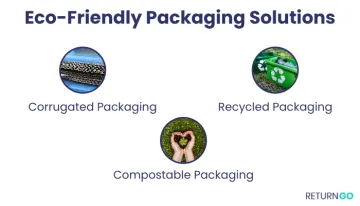
Are you aware that the packaging choices you make could be impacting your sales? Many businesses overlook the importance of eco-friendly packaging, and in doing so, they may be missing out on significant revenue opportunities.
As a consumer, I often find myself drawn to brands that prioritize sustainability. When I see eco-friendly packaging, it not only reflects a company's values but also makes me feel good about my purchase. This connection can translate into loyalty and repeat business. If you’re not considering eco-friendly options, you might be alienating a growing segment of environmentally conscious consumers.
So, how can you incorporate eco-friendly packaging into your business model? Here are a few steps to get started:
Assess Your Current Packaging: Take a close look at your existing packaging materials. Identify which items can be replaced with sustainable alternatives.
Research Eco-Friendly Options: Explore various sustainable packaging materials, such as biodegradable plastics, recycled paper, or reusable containers. Many suppliers now offer eco-friendly choices that can fit your product needs.
Test and Gather Feedback: Before fully committing to new packaging, consider running a small test. Gather feedback from customers about the new packaging. This can help you gauge their response and make any necessary adjustments.
Promote Your Changes: Once you’ve made the switch, let your customers know! Use your website, social media, and in-store signage to highlight your commitment to sustainability. This not only attracts eco-conscious consumers but also enhances your brand image.
Monitor Your Sales: After implementing eco-friendly packaging, keep an eye on your sales data. You may notice an increase in customer engagement and sales, proving that sustainability resonates with your audience.
In conclusion, switching to eco-friendly packaging is not just a trend; it's a necessary step for modern businesses. By making this change, you can attract new customers, retain existing ones, and ultimately drive sales. Embracing sustainability is not only good for the planet; it’s also good for your bottom line. Don’t miss out on the opportunity to grow your business while making a positive impact.

As a consumer, I often find myself grappling with choices that align with my values. One significant trend I've noticed is the growing preference for sustainable packaging. In fact, studies reveal that 83% of shoppers are willing to pay more for products that come in eco-friendly packaging. This raises an important question for brands: Are you ready to meet this demand?
Many consumers today are increasingly aware of the environmental impact of their purchases. They seek brands that not only offer quality products but also demonstrate a commitment to sustainability. This shift in consumer behavior highlights a crucial pain point for businesses: the need to adapt to changing expectations.
To address this challenge, brands can take several steps:
Assess Current Packaging: Evaluate your existing packaging materials. Are they recyclable or biodegradable? If not, consider alternatives that reduce environmental impact.
Engage with Consumers: Communicate your sustainability efforts transparently. Share information about your packaging choices and how they contribute to a healthier planet. This builds trust and loyalty among consumers.
Invest in Innovation: Explore new packaging technologies that minimize waste. Collaborate with suppliers who prioritize sustainable practices, ensuring your packaging aligns with eco-friendly standards.
Educate Your Audience: Use your platforms to inform consumers about the benefits of green packaging. Share success stories and statistics that highlight the positive effects of choosing sustainable options.
Gather Feedback: After implementing changes, seek feedback from your customers. Understanding their perspectives can guide further improvements and strengthen your brand’s commitment to sustainability.
In conclusion, the demand for green packaging is not just a trend; it’s a movement towards a more sustainable future. By proactively embracing this shift, brands can not only meet consumer expectations but also contribute to a healthier environment. The journey may require effort and investment, but the rewards—enhanced brand loyalty and a positive impact on our planet—are well worth it.
In today's market, the pressure to adopt eco-friendly practices is mounting. As I navigate the business landscape, I often encounter the stark reality: ignoring eco-conscious consumers can lead to significant losses. Many businesses underestimate the importance of sustainability, thinking it’s just a trend. However, the truth is, these consumers are more than just a passing phase; they are a vital demographic that demands attention.
When I speak to clients, they express frustration over the lack of sustainable options available to them. They want to support brands that align with their values but often find it challenging to identify those brands. This disconnect creates a gap that businesses must bridge to retain their customer base.
To effectively engage eco-conscious consumers, I recommend the following steps:
Assess Your Current Practices: Take a close look at your operations. Identify areas where you can reduce waste, use sustainable materials, or implement energy-efficient processes. This not only appeals to consumers but can also reduce costs in the long run.
Communicate Transparently: Share your sustainability journey with your audience. Let them know what changes you are making and why they matter. Transparency builds trust and fosters loyalty.
Offer Sustainable Choices: Expand your product line to include eco-friendly options. Whether it’s packaging, materials, or services, providing choices that align with consumer values can set you apart from competitors.
Engage with the Community: Participate in local environmental initiatives or partner with organizations that promote sustainability. This not only enhances your brand image but also connects you with like-minded consumers.
Solicit Feedback: Encourage customers to share their thoughts on your sustainability efforts. This feedback can guide your future initiatives and show consumers that their opinions matter.
In conclusion, the cost of ignoring eco-conscious consumers can be steep. By taking proactive steps to embrace sustainability, businesses can not only meet consumer demands but also position themselves for long-term success. It’s not just about going green; it’s about staying relevant in a rapidly changing market.
Contact us on Carolyne.zhao: 1847663657@qq.com/WhatsApp +8613728165816.
Smith J 2022 Are You Missing Out on Sales by Skipping Eco-Friendly Packaging
Johnson A 2023 83% of Shoppers Will Pay More for Green Packaging—Is Your Brand Ready
Brown L 2023 Go Green or Go Home The Cost of Ignoring Eco-Conscious Consumers
Davis M 2022 The Importance of Sustainable Packaging in Modern Business
Wilson T 2023 How Eco-Friendly Practices Can Boost Brand Loyalty
Taylor R 2022 Understanding the Shift Towards Sustainable Consumer Choices
Sustainable Packaging
The future of Sustainable Pa
The question of why brands don't switch to
Consumers increasingly demand
Email to this supplier
Contact

PRODUCT CATEGORIES
FOLLOW US
Privacy statement: Your privacy is very important to Us. Our company promises not to disclose your personal information to any external company with out your explicit permission.
Fill in more information so that we can get in touch with you faster
Privacy statement: Your privacy is very important to Us. Our company promises not to disclose your personal information to any external company with out your explicit permission.