


Send Message
Privacy statement: Your privacy is very important to Us. Our company promises not to disclose your personal information to any external company with out your explicit permission.

Plastic waste kills 1 million marine animals annually, highlighting the urgent need for brands to reevaluate their reliance on plastic. This staggering statistic raises critical questions about the environmental responsibilities of companies that continue to use plastic packaging. As consumers become more environmentally conscious, businesses must recognize the impact of their choices on marine ecosystems and the broader planet. Transitioning to sustainable alternatives is not merely an ethical imperative; it is a strategic decision that aligns with the growing demand for eco-friendly practices. Brands that choose to ignore this shift not only jeopardize the environment but also risk losing their competitive edge in a market that increasingly prioritizes sustainability. The time to act is now—can your brand afford to remain stagnant in the face of such pressing issues?


Every year, approximately one million marine animals lose their lives due to human activities. This staggering statistic raises an important question: is your brand contributing to this crisis?
As a conscious consumer, I often reflect on how my purchasing choices impact the environment. Many of us are unaware that our everyday decisions can have dire consequences for marine life. From plastic pollution to overfishing, the actions of brands play a significant role in this ongoing tragedy.
It’s crucial to recognize the pain points that arise from this issue. Consumers increasingly demand sustainable practices from brands, but not all companies are stepping up. This gap between expectation and reality creates a disconnect, leaving many of us frustrated and concerned about our planet's future.
So, what can we do to ensure our brands are part of the solution rather than the problem? Here are some steps I believe can make a difference:
Evaluate Supply Chains: Brands should assess their supply chains to identify areas where they can reduce environmental impact. This includes sourcing materials responsibly and ensuring that suppliers adhere to sustainable practices.
Reduce Plastic Usage: Companies can significantly cut down on plastic packaging and promote alternatives. As a consumer, I appreciate brands that prioritize eco-friendly packaging options.
Support Marine Conservation: Brands can contribute to marine conservation efforts by partnering with organizations dedicated to protecting marine life. This not only helps the environment but also resonates with consumers who value corporate social responsibility.
Educate Consumers: By providing transparent information about their practices, brands can empower consumers to make informed choices. I find it reassuring when brands share their sustainability efforts and the positive impact they have on marine ecosystems.
In conclusion, the responsibility lies with both consumers and brands. By making conscious choices and holding brands accountable, we can collectively work towards a healthier ocean. Let’s strive to ensure that our purchasing power contributes to the preservation of marine life, rather than its decline. Together, we can create a future where our oceans thrive, and the beauty of marine life is preserved for generations to come.
In today’s world, brands face an increasing challenge: the impact of plastic waste on their reputation. As consumers become more environmentally conscious, the pressure to adopt sustainable practices intensifies. I understand the pain points many brands encounter in navigating this complex landscape. It’s not just about compliance; it’s about maintaining trust and loyalty among customers who prioritize sustainability.
Many companies find themselves at a crossroads, unsure of how to effectively address plastic waste. The first step is acknowledging the issue. I’ve seen firsthand how brands that openly discuss their environmental impact can foster a deeper connection with their audience. Transparency is key. By sharing your journey towards sustainability, you can engage customers who are eager to support brands that align with their values.
Next, consider implementing practical solutions. Start by assessing your current use of plastic. Are there alternatives available? For instance, switching to biodegradable packaging or encouraging reusable options can significantly reduce plastic waste. I’ve observed brands that successfully made these changes not only improve their environmental footprint but also enhance their market appeal.
Education plays a vital role as well. Inform your customers about the steps you’re taking to combat plastic waste. This could be through social media campaigns, blog posts, or newsletters. When consumers see your commitment, they are more likely to stand by your brand. It’s about creating a community around shared values.
Lastly, measure and communicate your progress. Set clear goals and report on them regularly. This not only holds your brand accountable but also demonstrates your dedication to sustainability. I’ve witnessed brands that celebrate milestones in their sustainability journey attract positive attention and build a loyal customer base.
In conclusion, addressing plastic waste is not merely a trend; it’s a necessity for preserving your brand’s reputation. By acknowledging the issue, taking actionable steps, educating your audience, and communicating your progress, you can turn a potential crisis into an opportunity for growth and connection. Remember, consumers are looking for brands that care—show them that you do.

Making the switch to eco-friendly practices is not just a trend; it's a necessity. As consumers become more aware of environmental issues, they increasingly seek brands that align with their values. This shift in consumer behavior presents both a challenge and an opportunity for businesses.
Many companies struggle to balance profitability with sustainability. They worry that adopting eco-friendly practices may increase costs or complicate operations. However, the truth is that making sustainable choices can enhance your brand image and attract a loyal customer base.
To begin, assess your current practices. Identify areas where you can reduce waste, such as packaging or energy consumption. This step not only helps the environment but also often leads to cost savings in the long run.
Next, consider sourcing materials from sustainable suppliers. By supporting companies that prioritize environmental responsibility, you reinforce your commitment to sustainability. This connection can resonate with your customers, making them more likely to choose your brand over competitors.
Another effective strategy is to communicate your efforts transparently. Share your sustainability journey with your audience through social media, newsletters, or your website. Highlight specific initiatives, such as reducing plastic use or supporting marine conservation projects. This not only builds trust but also engages consumers who are passionate about these issues.
Finally, encourage your customers to join you in your efforts. Create campaigns that promote eco-friendly practices, such as recycling or using reusable products. By involving your audience, you foster a community around your brand, which can lead to increased loyalty and advocacy.
In summary, transitioning to sustainable practices is not just about saving the planet; it's about enhancing your brand's reputation and connecting with your customers on a deeper level. By taking these steps, you can position your brand as a leader in the movement towards a more sustainable future.
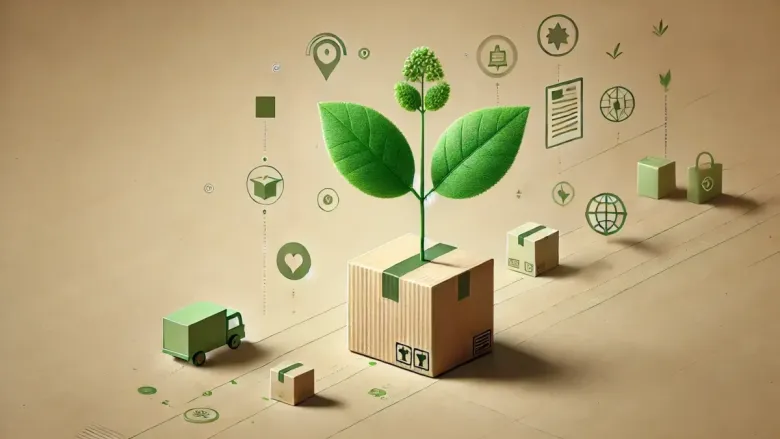
Plastic pollution is a pressing issue that affects us all. As I navigate my work in the industry, I often reflect on how brands can no longer afford to ignore this crisis. The overwhelming presence of plastic in our oceans and landscapes is not just an environmental concern; it poses a significant threat to brand reputation and consumer trust.
Many consumers today are increasingly aware of their purchasing choices. They seek brands that align with their values, particularly when it comes to sustainability. Ignoring plastic pollution can lead to a disconnect between brands and their customers, resulting in lost loyalty and sales.
So, what can brands do to address this problem? Here are a few actionable steps:
Assess Your Impact: Start by evaluating how much plastic your brand uses. This includes packaging, products, and any other materials. Understanding your footprint is the first step toward making meaningful changes.
Set Clear Goals: Once you know your impact, set specific, measurable goals for reducing plastic use. Whether it’s switching to biodegradable materials or minimizing packaging, having clear targets can guide your efforts.
Engage Your Audience: Communicate your commitment to reducing plastic pollution. Share your goals and progress with your customers. Transparency fosters trust and encourages consumer engagement.
Collaborate for Change: Partner with organizations focused on environmental sustainability. Collaborations can amplify your efforts and demonstrate your brand’s commitment to making a difference.
Innovate and Adapt: Explore alternatives to plastic. This could mean investing in research for sustainable materials or finding creative ways to repurpose waste. Innovation can set your brand apart in a crowded market.
In conclusion, the consequences of ignoring plastic pollution are too significant for brands to overlook. By taking proactive steps, companies can not only contribute to a healthier planet but also enhance their reputation and strengthen consumer relationships. The time to act is now; the future of your brand depends on it.
Want to learn more? Feel free to contact Carolyne.zhao: 1847663657@qq.com/WhatsApp +8613728165816.
Zhao C 2023 Is Your Brand Contributing to the 1 Million Marine Animals Lost Each Year
Zhao C 2023 Don't Let Plastic Waste Sink Your Brand's Reputation
Zhao C 2023 Make the Switch Save Marine Life and Boost Your Brand Image
Zhao C 2023 Can Your Brand Afford to Ignore Plastic Pollution
Zhao C 2023 Addressing Plastic Waste A Necessity for Brand Reputation
Zhao C 2023 The Importance of Sustainability in Modern Branding
Sustainable Packaging
The future of Sustainable Pa
The question of why brands don't switch to
Consumers increasingly demand
Email to this supplier
Contact

PRODUCT CATEGORIES
FOLLOW US
Privacy statement: Your privacy is very important to Us. Our company promises not to disclose your personal information to any external company with out your explicit permission.
Fill in more information so that we can get in touch with you faster
Privacy statement: Your privacy is very important to Us. Our company promises not to disclose your personal information to any external company with out your explicit permission.